Highly Sensitive or ADHD? Understanding and Support for Children and Families
Children with concentration difficulties pose significant challenges for parents, teachers, and caregivers. This often leads to diagnoses such as ADHD (attention deficit hyperactivity disorder) or ADD (without hyperactivity). But what if the child is instead highly sensitive? The behaviors of these children can appear similar, but have different causes—and require different approaches.
In this article, we explore the differences between high sensitivity disorder (HSP) and ADHD, the parallels that exist, and possible supportive measures. In particular, we explore the role of polarity therapy as a gentle, effective complementary therapy and present valuable resources and practical exercises for everyday life.
1. High sensitivity and AD(H)D: similarities and differences
1.1 High sensitivity
Highly sensitive people react more intensely to internal and external stimuli and process them more neurologically complexly. Approximately 15-20% of the population is considered highly sensitive, including 70% introverted and 30% extroverted. Highly sensitive children are characterized by acute perception, profound emotionality, and low stress tolerance.
1.2 ADHD
ADHD is a neurobiological disorder characterized by impaired impulse control, attention deficit disorder, and—in the case of ADHD—hyperactivity. The causes are attributed to alterations in the brain’s dopamine metabolism. Approximately 5% of children and adolescents worldwide are affected.
1.3 Differences in behavior
- Concentration: Highly sensitive children can concentrate well when they aren’t overstimulated. Children with ADHD have difficulty regardless of their environment.
- Impulse control: Highly sensitive children act thoughtfully, while children with ADHD often act spontaneously and without regard for consequences.
- Activity: Highly sensitive children prefer quiet activities, while children with AD(H)D often show motor restlessness and a need for movement.
2. Challenges for children and parents
2.1 Stresses in everyday life
Concentration problems, social conflicts, and emotional overload can place a significant strain on everyday life. Parents often feel helpless and search for explanations and solutions.
2.2 Stress and its effects
Stress exacerbates symptoms in both groups: Highly sensitive children exhibit sensory overload, while children with ADHD become more uncontrolled. The key is to identify and minimize stressors.
2.3 Understanding the environment
Highly sensitive children need calm, routine, and understanding. Children with ADHD benefit from clear structures, movement, and targeted interventions.
3. The role of polarity therapy
3.1 What is polarity therapy?
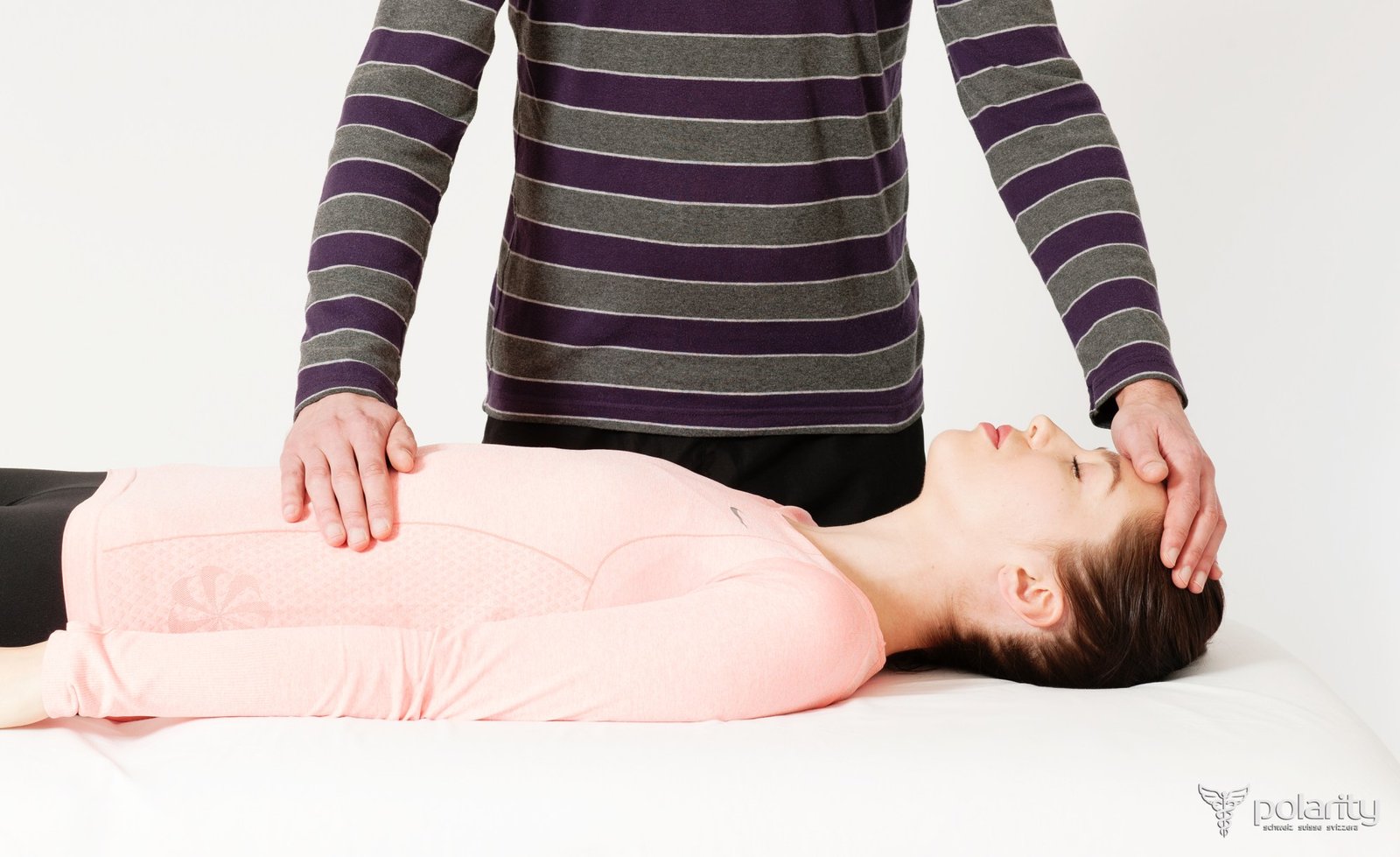
Polarity therapy, developed by Dr. Randolph Stone, is based on the idea that life energy flows between poles. Blockages can cause physical and emotional discomfort. The therapy includes touch techniques, nutrition, exercise (polarity yoga), and therapeutic dialogue.
3.2 Use in highly sensitive children
Polarity therapy helps restore inner balance and reduce sensory overload. This gentle bodywork strengthens self-awareness and promotes self-regulation.
3.3 Support for children with AD(H)D
Energetic techniques promote concentration, while polarity yoga balances the urge to move. The nutritional recommendations contribute to stabilizing the nervous system.
4. Practical tips and physical exercises
4.1 Relaxation for highly sensitive children
- The Breath Wave: Children lie comfortably and place their hands on their stomachs. Gently push the stomach upwards as they inhale, and lower it as they exhale. This calms the nervous system and helps process stimuli.
- The Tree: In a stable standing position, stretch your arms upwards and imagine yourself as a tree. This promotes grounding and strengthens a sense of security.
- Butterfly Pose: Gently cross your arms over your chest and gently tap your shoulders with your hands, alternating between them. This calms the limbic system and helps with feelings of overwhelm.
4.2 Exercises to harmonize the nervous system
- Polarity Yoga: Gentle stretches like the cobra pose or the lying twist can help release energy blockages.
- Progressive muscle relaxation: Alternating tensing and releasing muscle groups promotes relaxation.
- Self-touch: Gently holding the forehead or heart area supports self-regulation.
5. Complementary approaches and case studies
5.1 Supporting departments
In addition to polarity therapy, there are valuable resources for parents:
- Eff-zett (Efficiency and Time Management Center): Supports parents and children through advice and training.
- Pro Juventute: Offers special programs and materials for children and young people in challenging life situations.
- Triaplus Child and Adolescent Psychiatry: Diagnostics and therapy for more complex challenges.
5.2 Success stories
- A highly sensitive child found inner peace through regular polarity sessions and breathing exercises.
- A child with ADHD benefited from a combination of polarity yoga, nutrition, and clear daily structures.
5.3 Scientific background
Studies show that polarity therapy reduces stress and strengthens self-regulation. This can have positive effects, especially for children with ADHD or high sensitivity.
6. Understanding and support are key
Distinguishing between high sensitivity and ADHD is essential for developing individualized support measures. Polarity therapy offers a holistic approach that empowers both children and parents.
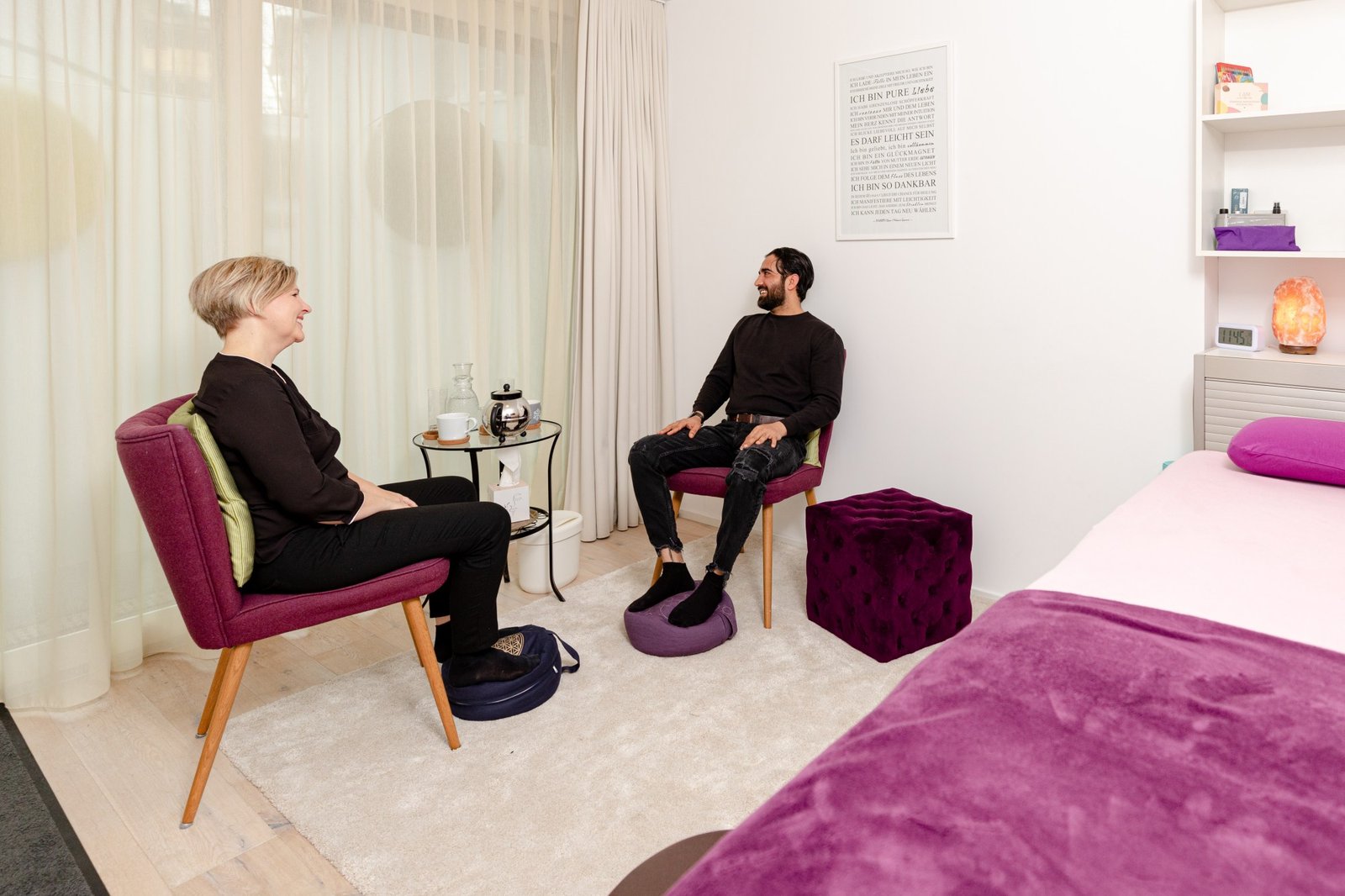
In my practice, I also offer exercises to harmonize the nervous system, tailored to your child’s individual needs. With patience, structure, and professional support, we can help every child develop their full potential.
Do you have questions or need support? Please feel free to contact me for a personal consultation or treatment in my practice or online. Sessions are recognized by Swiss health insurance providers with supplementary insurance.
Further information
- Network for High Sensitivity: netzwerk-hsp.ch
- Polarity Association Switzerland: polarity-schweiz.ch
- Eff-zett: eff-zett.ch
- Pro Juventute: projuventute.ch