Healing through Somatic Experiencing and Polarity Therapy
Our earliest bonds deeply shape our lives. They influence how we deal with emotions, shape relationships, and perceive ourselves. However, when these bonds are disrupted, they can leave long-lasting scars in the form of attachment trauma or attachment wounds . Therapeutic approaches such as Somatic Experiencing (SE) and Polarity Therapy offer gentle, effective ways to heal these often invisible injuries.
What are attachment trauma and attachment wounds?
Attachment trauma arises from repeated or extreme disruptions in early attachment—for example, through neglect, emotional absence, or abuse. These experiences leave deep scars on the nervous system. Those affected often develop survival strategies such as avoidance, freezing, or emotional detachment. Problems in regulating emotions and relationships are often the result.
Attachment wounds are specific experiences like rejection or loss that are less chronic but can still leave deep emotional scars. They can trigger later relationships, but are often more consciously accessible and therefore easier to process.
How do attachment issues impact therapy?
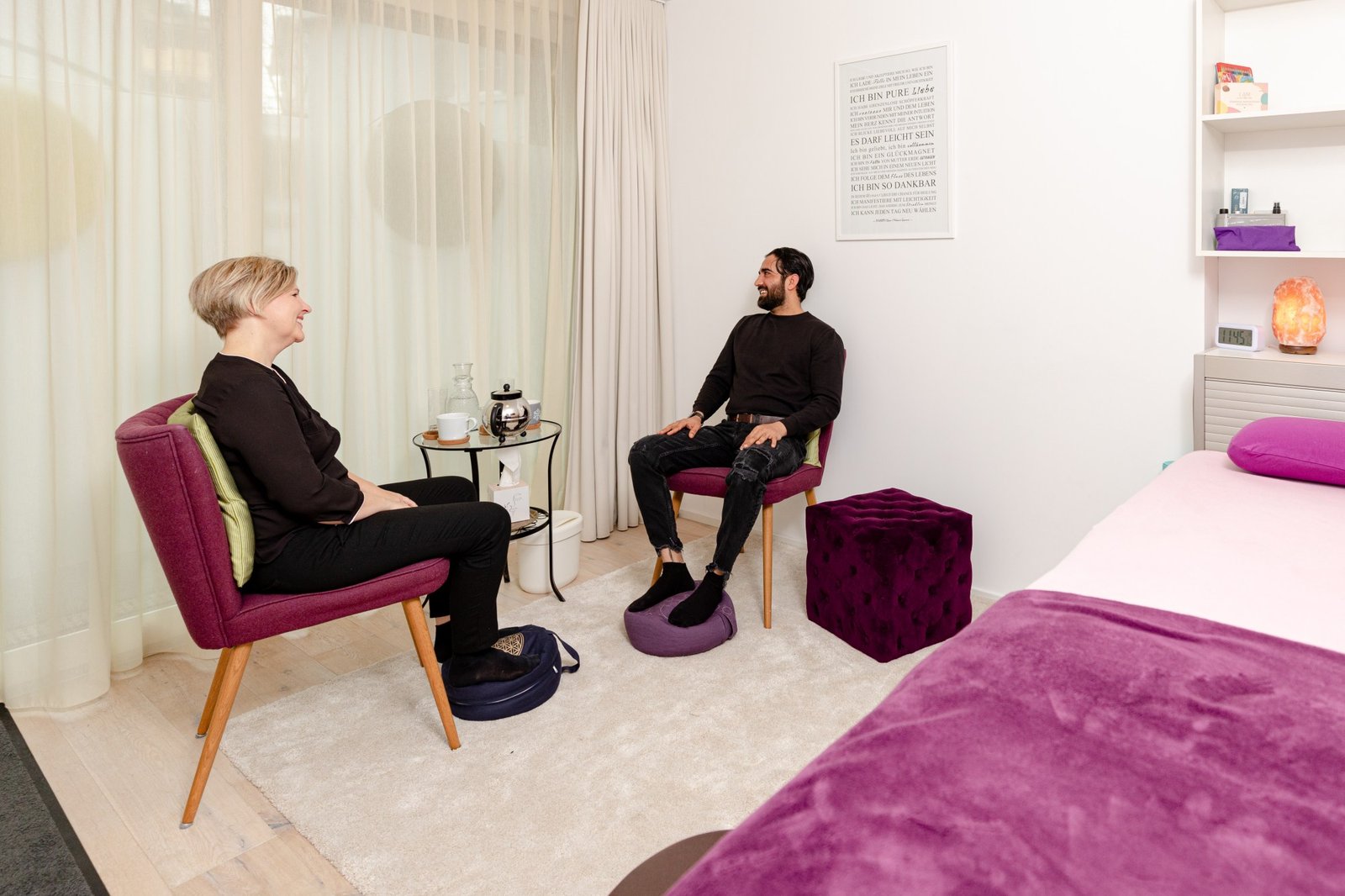
In therapy, attachment trauma and attachment wounds often manifest themselves in the relationship between client and therapist.
- Transference in attachment trauma:
- Distrust because previous caregivers were unreliable.
- Dependence or idealized ideas due to a strong need for security.
- Defense mechanisms such as avoidance or aggression to protect oneself from injury.
- Transference in bond wounds:
- Fear of rejection or a feeling of unimportance.
- A longing for understanding and confirmation.
Countertransference:
These transference patterns can also trigger strong reactions in the therapist:
- Feelings of powerlessness or being overwhelmed in attachment trauma.
- The impulse to “save” or “comfort” attachment wounds.
Consciously dealing with these dynamics is essential to enable authentic relationship experiences.
How healing succeeds: The body-oriented approach
Attachment issues have a deep impact on the nervous system. This is why body- and resource-oriented approaches such as Somatic Experiencing and Polarity Therapy are particularly effective. They help process emotional wounds not only intellectually, but on a holistic level.
1. Presence and regulation of the nervous system
A safe, non-judgmental space is the foundation of any healing.
- In Somatic Experiencing, the nervous system is calmed through targeted body awareness and resource work. The client learns to remain present with emotional states without becoming overwhelmed.
- Polarity therapy complements this with gentle touch and energetic work that releases blockages and promotes self-regulation.
2. Mirroring and empathy
Early childhood attachment issues often arise from a lack of resonance and empathy.
- The therapist’s mindful reflection of feelings and needs creates new experiences of being understood.
- SE helps to bring physical reactions to emotional triggers into awareness and integrate them into the healing process.
3. Repairing relationship ruptures
Even in therapy, minor relationship breakdowns can occur, for example when a client’s need is not recognized.
- Consciously addressing such moments and processing them together enables healing bonding experiences.
- These processes strengthen trust and promote a healthy bonding experience.
4. Promoting self-efficacy
People with attachment trauma often feel powerless.
- SE strengthens the ability to perceive and actively use inner resources through exercises.
- Polarity therapy helps to deepen the connection to one’s own body and build a feeling of stability and security.
Practical examples from therapeutic work
- A client with attachment trauma : They experience for the first time that their fear can be held without being judged or rejected. This experience helps them develop trust and let go of old patterns.
- A client with attachment wounds : She feels that her needs are important because her therapist attentively responds to subtle signals. This helps her gain more self-confidence and learn to communicate her wishes more clearly.
The path to healing
Working with attachment trauma and wounds requires patience, empathy, and deeply penetrating methods. Somatic Experiencing and Polarity Therapy offer unique opportunities to break through old patterns and experience new, positive attachment experiences.
The focus is on the therapeutic relationship: a space of safety, presence, and empathy. Within this framework, clients can learn to better understand themselves, connect with their emotions, and ultimately find new joy in life.
Learn more and connect
- Polarity Association Switzerland : Information about polarity therapy and its application can be found on the official website of the Polarity Association Switzerland .
- Center for Inner Ecology : Would you like to learn more about the Somatic Experiencing training? Visit the Center for Inner Ecology .
- OdAKT : Polarity therapy is one of the 22 complementary therapy methods recognized by the OdAKT. You can find out more at the Complementary Therapy Workplace Organization .