
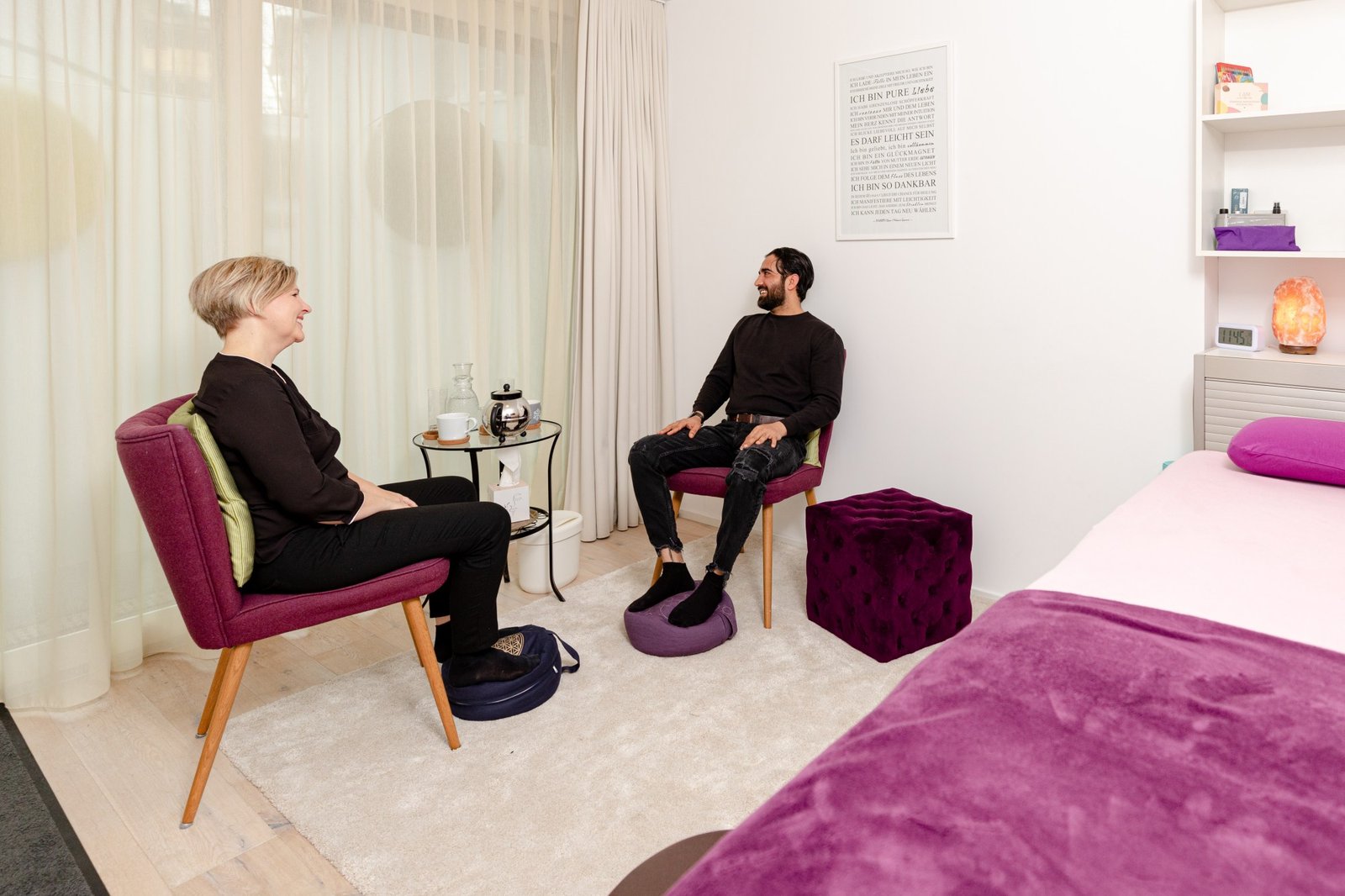
Heilung durch Somatic Experiencing und Polarity-Therapie
Unsere frühesten Bindungen prägen unser Leben tief. Sie beeinflussen, wie wir mit Emotionen umgehen, gestalten unsere Beziehungen und unser Selbstbild. Werden diese Bindungen jedoch gestört, können sie langfristige Spuren in Form von Bindungstrauma oder Bindungsverletzungen hinterlassen. Therapeutische Ansätze wie Somatic Experiencing (SE) und Polarity-Therapie bieten sanfte und wirkungsvolle Wege, diese oft unsichtbaren Verletzungen zu heilen.
Was sind Bindungstrauma und Bindungsverletzungen?
- Bindungstrauma entsteht durch wiederholte oder extreme Störungen in frühen Bindungen – zum Beispiel durch Vernachlässigung, emotionale Abwesenheit oder Missbrauch. Diese Erfahrungen hinterlassen tiefe Spuren im Nervensystem. Betroffene entwickeln häufig Überlebensstrategien wie Vermeidung, Erstarrung oder emotionale Distanz. Probleme bei der Regulation von Emotionen und Beziehungen sind oft die Folge.
- Bindungsverletzungen sind einzelne Erlebnisse wie Zurückweisung oder Verlust, die weniger chronisch, aber dennoch tief emotional wirken können. Sie können später in Beziehungen aktiviert werden, sind jedoch oft bewusster zugänglich und daher leichter zu bearbeiten.
Wie beeinflussen Bindungsthemen die Therapie?
In der Therapie zeigen sich Bindungstrauma und Bindungsverletzungen oft in der Beziehung zwischen Klient:in und Therapeut:in.
Übertragungen bei Bindungstrauma:
- Misstrauen, da frühere Bezugspersonen unzuverlässig waren
- Abhängigkeit oder idealisierte Vorstellungen aufgrund eines starken Sicherheitsbedürfnisses
- Abwehrmechanismen wie Vermeidung oder Aggression zum Selbstschutz
Übertragungen bei Bindungsverletzungen:
- Angst vor Zurückweisung oder Gefühl der Unwichtigkeit
- Sehnsucht nach Verständnis und Bestätigung
Gegenübertragung:
Diese Übertragungsmuster können auch beim Therapeuten starke Reaktionen auslösen:
- Gefühl der Hilflosigkeit oder Überwältigung bei Bindungstrauma
- Impuls, Bindungsverletzungen „retten“ oder „trösten“ zu wollen
Eine bewusste Auseinandersetzung mit diesen Dynamiken ist entscheidend, um authentische Beziehungserfahrungen zu ermöglichen.
Wie Heilung gelingt: Der körperorientierte Ansatz
Bindungsthemen wirken tief auf das Nervensystem. Deshalb sind körper- und ressourcenorientierte Ansätze wie Somatic Experiencing und Polarity-Therapie besonders wirksam. Sie helfen, emotionale Verletzungen nicht nur intellektuell, sondern ganzheitlich zu verarbeiten.
- Präsenz und Regulation des Nervensystems
Ein sicherer, wertfreier Raum ist die Grundlage jeder Heilung.- In Somatic Experiencing wird das Nervensystem durch gezielte Körperwahrnehmung und Ressourcenarbeit beruhigt. Der Klient lernt, mit emotionalen Zuständen präsent zu bleiben, ohne überfordert zu werden.
- Polarity-Therapie ergänzt dies durch sanfte Berührung und energetische Arbeit, die Blockaden löst und Selbstregulation fördert.
- Spiegelung und Empathie
Frühe Bindungsprobleme entstehen oft durch fehlende Resonanz und Empathie.- Die achtsame Spiegelung von Gefühlen und Bedürfnissen durch den Therapeuten schafft neue Erfahrungen von Verständnis.
- SE hilft, körperliche Reaktionen auf emotionale Trigger bewusst wahrzunehmen und in den Heilungsprozess zu integrieren.
- Reparatur von Beziehungsbrüchen
Auch in der Therapie kann es zu kleineren Beziehungsabbrüchen kommen, z. B. wenn das Bedürfnis eines Klienten nicht erkannt wird.- Diese Momente bewusst anzusprechen und gemeinsam zu bearbeiten, ermöglicht heilende Bindungserfahrungen.
- Diese Prozesse stärken Vertrauen und fördern gesunde Bindungserfahrungen.
- Förderung von Selbstwirksamkeit
Menschen mit Bindungstrauma fühlen sich oft hilflos.- SE stärkt die Fähigkeit, innere Ressourcen wahrzunehmen und aktiv zu nutzen.
- Polarity-Therapie vertieft die Verbindung zum eigenen Körper und vermittelt ein Gefühl von Stabilität und Sicherheit.
Praktische Beispiele aus der therapeutischen Arbeit
- Klient:in mit Bindungstrauma: Er erlebt erstmals, dass seine Angst gehalten werden kann, ohne beurteilt oder zurückgewiesen zu werden. Diese Erfahrung hilft, Vertrauen aufzubauen und alte Muster loszulassen.
- Klient:in mit Bindungsverletzungen: Sie spürt, dass ihre Bedürfnisse wichtig sind, weil der Therapeut aufmerksam auf subtile Signale reagiert. Das stärkt Selbstvertrauen und fördert klarere Kommunikation ihrer Wünsche.
Der Weg zur Heilung
Die Arbeit mit Bindungstrauma und Bindungsverletzungen erfordert Geduld, Empathie und tiefgehende Methoden. Somatic Experiencing und Polarity-Therapie bieten einzigartige Möglichkeiten, alte Muster zu durchbrechen und neue, positive Bindungserfahrungen zu machen.
Der Fokus liegt auf der therapeutischen Beziehung: ein Raum von Sicherheit, Präsenz und Empathie. Innerhalb dieses Rahmens können Klienten lernen, sich selbst besser zu verstehen, Zugang zu ihren Emotionen zu finden und letztlich neue Freude am Leben zu erleben.
Mehr erfahren und Kontakt aufnehmen
- Polarity Verband Schweiz: Informationen über Polarity-Therapie und ihre Anwendung findest du auf der offiziellen Webseite des Polarity Verbandes Schweiz.
- Center for Inner Ecology: Möchtest du mehr über die Somatic Experiencing-Ausbildung erfahren? Besuche das Center for Inner Ecology.
- OdAKT: Polarity-Therapie ist eine der 22 von der OdAKT anerkannten komplementären Methoden. Weitere Informationen findest du bei der Organisation der Arbeitsplätze für Komplementärtherapie.