
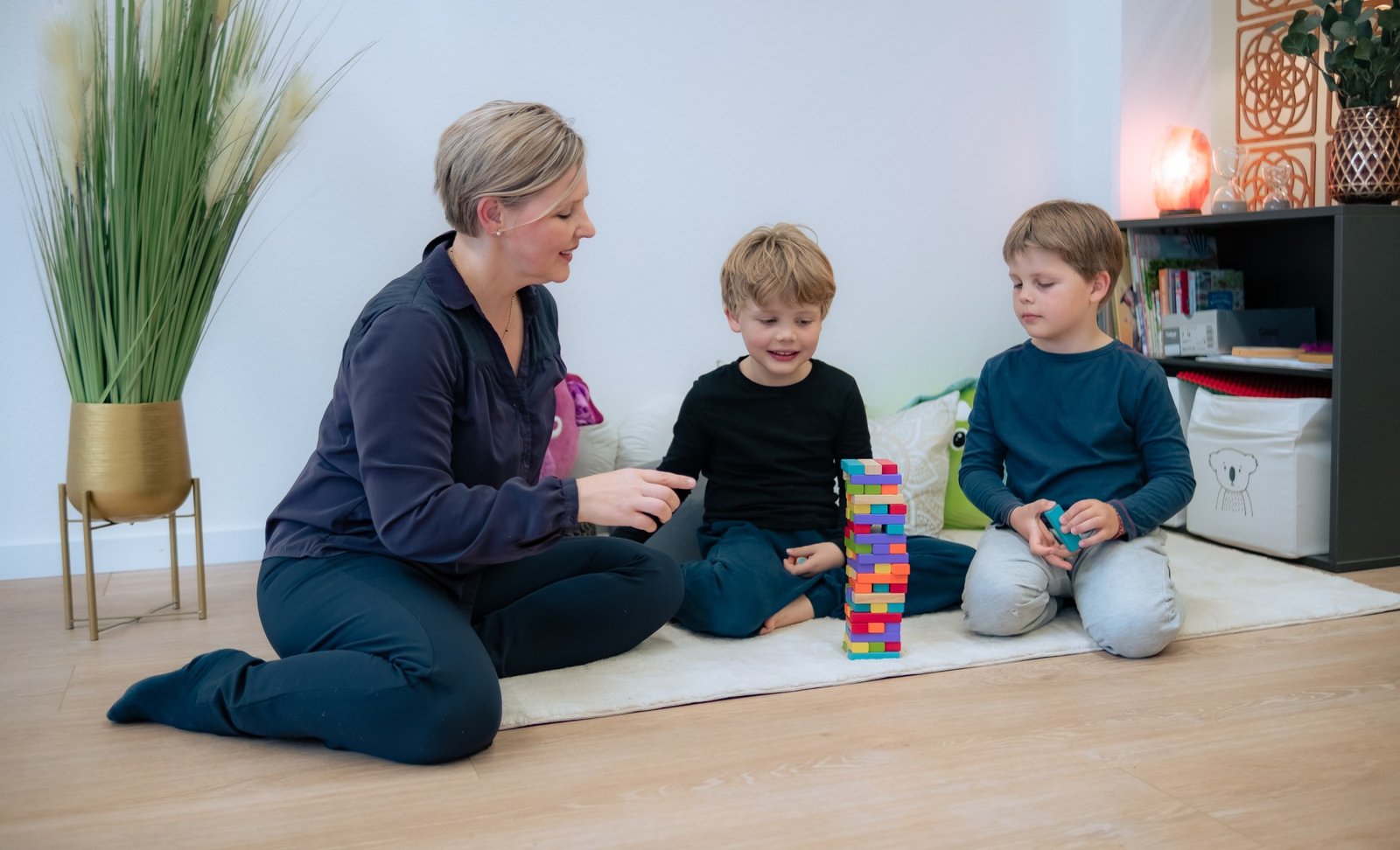
Wenn Wahrnehmung tiefer geht: Hochsensibilität und hohe Intelligenz im Familienalltag
Ein achtsamer Blick auf neurodivergente Kinder und die Kraft von Klarheit und Orientierung
Einleitung
Vielleicht haben Sie es schon erlebt: Ihr Kind reagiert stärker auf Geräusche, zieht sich nach einem anstrengenden Tag zurück oder stellt ungewöhnlich reife Fragen. Vielleicht haben Sie gespürt, dass da „mehr“ ist – mehr Wahrnehmung, mehr Denken, mehr Tiefe. Und gleichzeitig mehr Reibung im Alltag.
In meiner Praxis treffe ich viele Eltern, die sich fragen: Ist mein Kind hochsensibel? Oder besonders intelligent? Und vor allem: Wie können wir als Familie damit umgehen?
Was bedeutet Hochsensibilität und hohe Intelligenz eigentlich?
Hochsensibilität beschreibt eine besondere Empfindsamkeit in der Wahrnehmung von Reizen – sei es emotional, körperlich oder sozial.
Hochintelligente Kinder denken oft schneller, vernetzter und tiefgründiger. Beide Eigenschaften können einzeln oder gemeinsam auftreten und sich auf einem breiten Spektrum zeigen.
Wichtig: Es handelt sich hierbei nicht um medizinische Diagnosen, sondern um Beschreibungen neurodivergenter Ausprägungen – also natürliche Varianten menschlicher Entwicklung.
Diagnosen als Orientierung – nicht als Schublade
Für viele Eltern ist eine fundierte Einschätzung durch Fachpersonen ein Moment der Entlastung. Plötzlich entsteht ein stimmiges Bild. Verhalten wird verständlich. Und es öffnet sich Raum für neue Wege im Umgang mit dem Kind.
Eine Diagnose ist kein Etikett, sondern ein Kompass. Sie hilft, Muster zu erkennen, Ressourcen zu stärken und Überforderung zu vermeiden.
Wie kann Unterstützung im Alltag aussehen?
Jede Familie ist einzigartig. Dennoch tauchen immer wieder ähnliche Fragen auf:
- Wie schaffe ich Ruhe, ohne mein Kind zu isolieren?
- Wie stärke ich Selbstvertrauen, ohne andere zu überfordern?
- Wie gehe ich mit Wut, Rückzug oder Perfektionismus um?
In meiner Begleitung kombiniere ich achtsame Gespräche mit körperlichen Übungen, energetischer Arbeit und alltäglichen Werkzeugen zur Selbstregulation – individuell angepasst an Ihr Kind und an Sie als Familie.
Einige Zahlen – wie häufig ist das eigentlich?
- Hochsensibilität betrifft schätzungsweise 15–20 % aller Kinder.
- Hohe Intelligenz (IQ über 130) findet sich bei etwa 2–3 % der Bevölkerung.
- Rund ein Drittel der hochbegabten Kinder zeigt ebenfalls Anzeichen von Hochsensibilität.
- Viele dieser Kinder werden in der Schule nicht erkannt oder missverstanden.
(Quelle: Swiss Gifted Education, zfi.ch Stiftung, HSP-Expertennetzwerke)
Fazit
Ein neurodivergentes Kind zu begleiten, ist keine leichte Aufgabe – aber eine zutiefst bewegende.
Es erfordert von Eltern Präsenz, Reflexion und die Bereitschaft, eigene Muster zu hinterfragen. Gleichzeitig bietet es Familien die Chance auf tiefe Begegnungen, echtes Lernen und neue Wege des Miteinanders.
Wenn Sie Unterstützung wünschen – für Ihr Kind, für sich selbst oder für Ihr Zusammenspiel – bin ich gerne für Sie da.
Melanie Goumri
Fachtherapeutin Komplementärtherapie | Polarity-Therapeutin | Somatic Experience Practitioner | Coach für Hochsensibilität & hohe Intelligenz